
Books I Read August 2nd, 2026
Fire fire everywhere, and not a drop to drink.
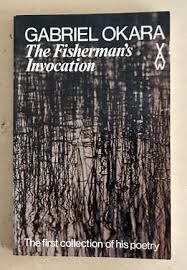
The Fisherman's Invocation by Gabriel Okara – Post-Colonial Nigerian poetry. I read poetry so infrequently that I can't really see a reason to offer my opinion on this bit which, I admit, I thought was a novel when I ordered it from the library. But I enjoyed the eponymous, which was yea-inducing.
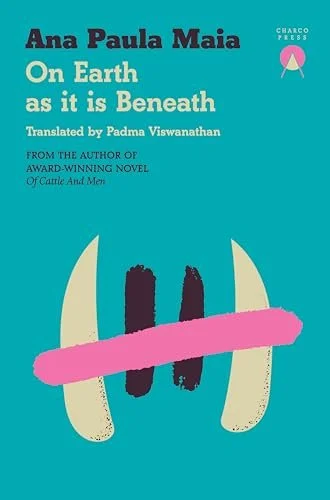
On Earth as it is Beneath by Ana Paula Mia – Another of the author's short, sharp, mean, hyper-masculine novelettes, gently straddling the literary/genre divide. As a rule I tend to find self-consciously brutal books to be kind of tedious (this is why I don't like Cormac McCarthy) but Mia slides past for me. It might be because it's short. It might be because one sort of feels that as a woman Mia can't be taking her laconic, honor-bound supermen altogether seriously. Anyway, I enjoyed this.
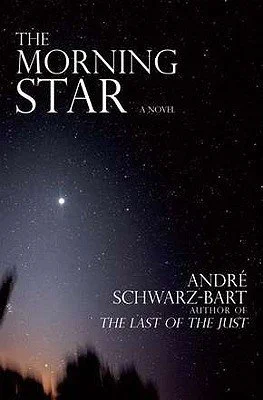
The Morning Star by Andre Schwartz-Bart – Shoa magical realism by a survivor of the same.
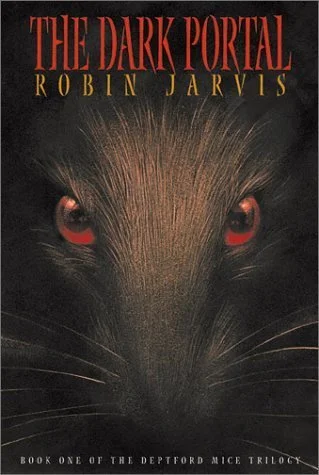
The Dark Portal by Robin Jarvis – Y/A mice are plagued by a mischief of rats in thrall to a dark god. I've been thinking lately that the melding of Y/A and Fantasy has been a really bad thing for both genres. At some point, every Y/A book adopted the naked power fantasies reminiscent of the worst of the genre, in which a very special person grows in their specialness over the course of many special adventures at Paladin school or whatever. One can't help but feel that teaching adolescents that they really are the center of the universe is maybe not constructive. Anyway, this is a nice example of a time before that happened, innocent in its motivations and languages although admirably dark in its execution. .
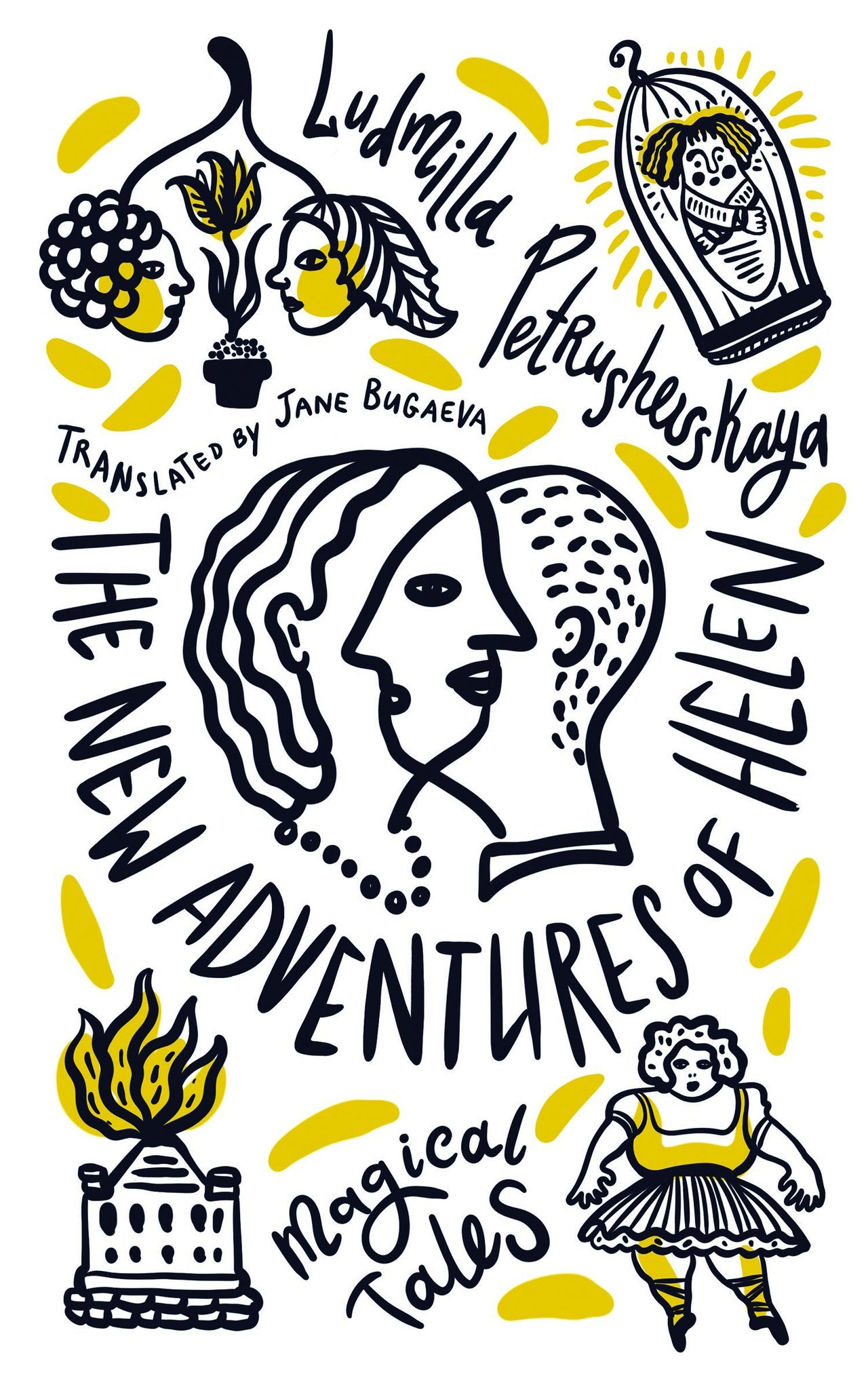
The New Adventures of Helen: Magical Tails by Ludmilla Petrushevskaya – Impossible fantasies evoking extremely human concerns. These are lighter than the Petrushevskaya's I've read, with less of the Gothic flourishes which characterize those works. Which, honestly, I kind of missed, but once I got over that I started to enjoy myself. These are notably weird and strangely kind.
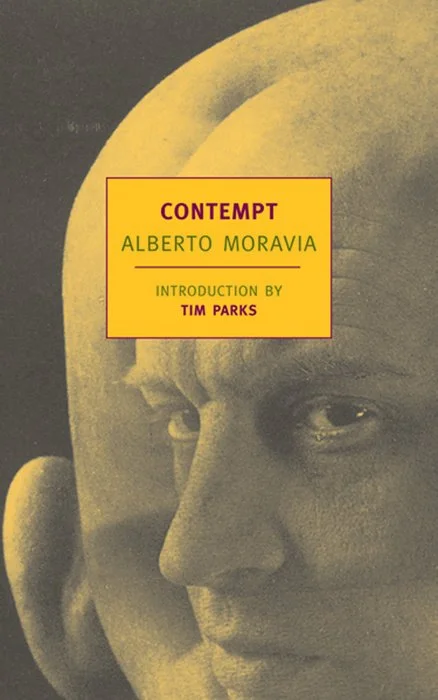
Contempt by Alberto Moravia – A callow writer loses his wife's love, tries to determine which of his failings led to that end. This is the kind of book in which the vast majority of the text consists of the protagonist's dissections of his own feelings and thoughts, and a line of dialogue can be followed by three paragraphs of explication. I don't really like those kinds of books, and the themes of masculine anxiety didn't really resonate with me. But that's largely personal and I could see another reader feeling very different.
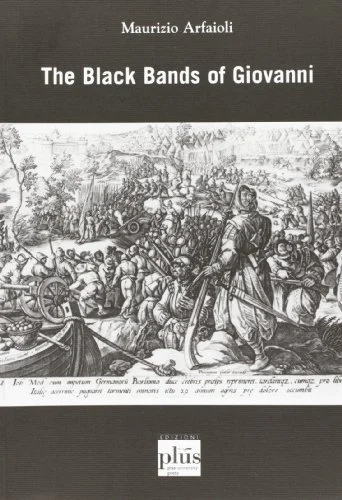
The Black Bands of Giovanni by Maurizio Arfaioli – Yeah, what can I say, sometimes I just feel the urge to read a really in-depth history of an arquebus regiment in the Italian Wars. And this was that.