
Books I Read July 26th, 2026
In truth, we spend a tiny fraction of time in shared reality—one's inner landscape is vaster and more compelling. In these alien realms our shadows live as great heroes and worse villains, even as we, their ignorant originators, putter about the grotty earth, faithless and uncertain.
The Second Jungle Book by Rudyard Kipling – Against the unconsidered imperialism which mars everything he writes, one must set the sheer love Kipling had for his adopted homeland—idiosyncratic and limited, certainly, but then all love is like that, given to an idea of a thing and not the thing itself—and so powerful that one can't help but be enchanted by his affection. Also, he struck upon the universal truth that we all wish we had been raised by wolves.
Brickmakers by Selva Almada – A multi-generational feud between two families of hyper-masculine if basically useless day laborers ends in violence. This reminded me a lot of Ana Paula Maia in its genre-ish exploration of machismo, which is to say it was taut and well-written and maybe a little bit performative.
The Selfish Gene by Richard Dawkins – Evolution is driven neither by species loyalty nor even individual creatures per se but by discrete codes of DNA which blindly form the architecture of biological existence. A fascinating and well-explored premise, though as this is the first book on evolutionary biology I've ever read I can't really comment on its validity. Still, excellent scientific writing, if marred occasionally by Dawkins' peculiar religious bug bears. I can understand how if you were like, raised in an evangelical cult and screamed at for masturbating you might find the rejection of religious thought appealing, but I confess it's a mystery to me how people of Dawkins ilk (i.e., educated westerners living in a post-Christian civilization) can hold it responsible for so much societal ill, and moreover can envision a form of triumphalist atheism. On balance—and I say this as a committed if sorrowful non-believer—wouldn't we all prefer to be governed by a kindly and all-powerful deity, or at least exist in a universe possessed of some guiding purpose or order? That this is so clearly not the case seems cause for lament rather than celebration.
The Dark by John McGahern – A precocious youth survives an adolescence in post-war rural Ireland, struggling with Onanistic proclivities, the Catholic Church, and his cruel, pitiful, complicated father. The writing is excellent, swift and soulful, and the characters sympathetic and well-drawn. I really liked it, I'm picking up another by him soon.
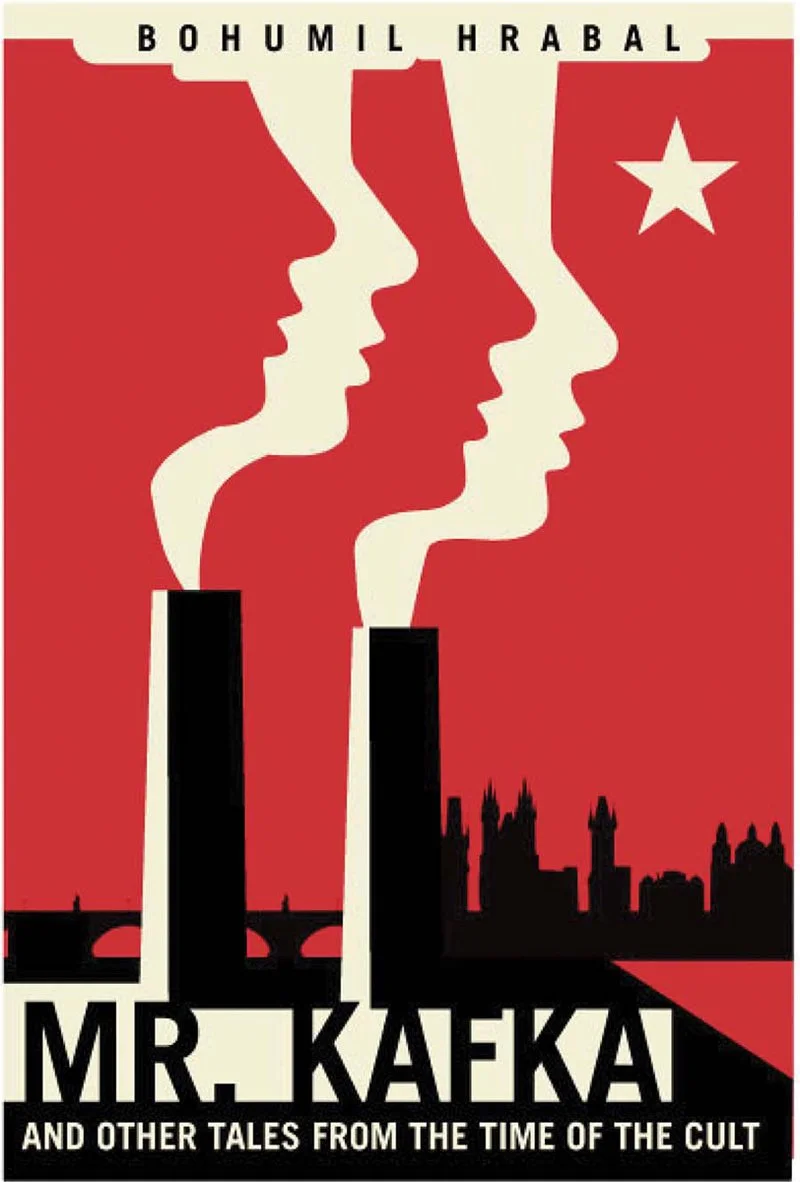
Mr. Kafka and Other Tales from the Time of the Cult by Bohumil Hrabel – Surrealistic depictions of life in the early Czechoslovak Socialist Republic, as the government sought to recreate society, forcing intellectuals to smelt ore and replacing centuries-old Bohemian heroes. Between this and last week's very good, very different novel about killing cats, I've come to really appreciate the range of Hrabel's work. A great talent capable of profound and idiosyncratic insight.
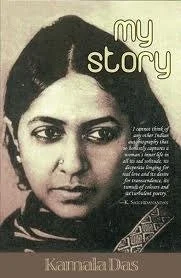
My Story by Kamala Das – The intimate autobiography of an atypical Indian.